Reflections 22nd March
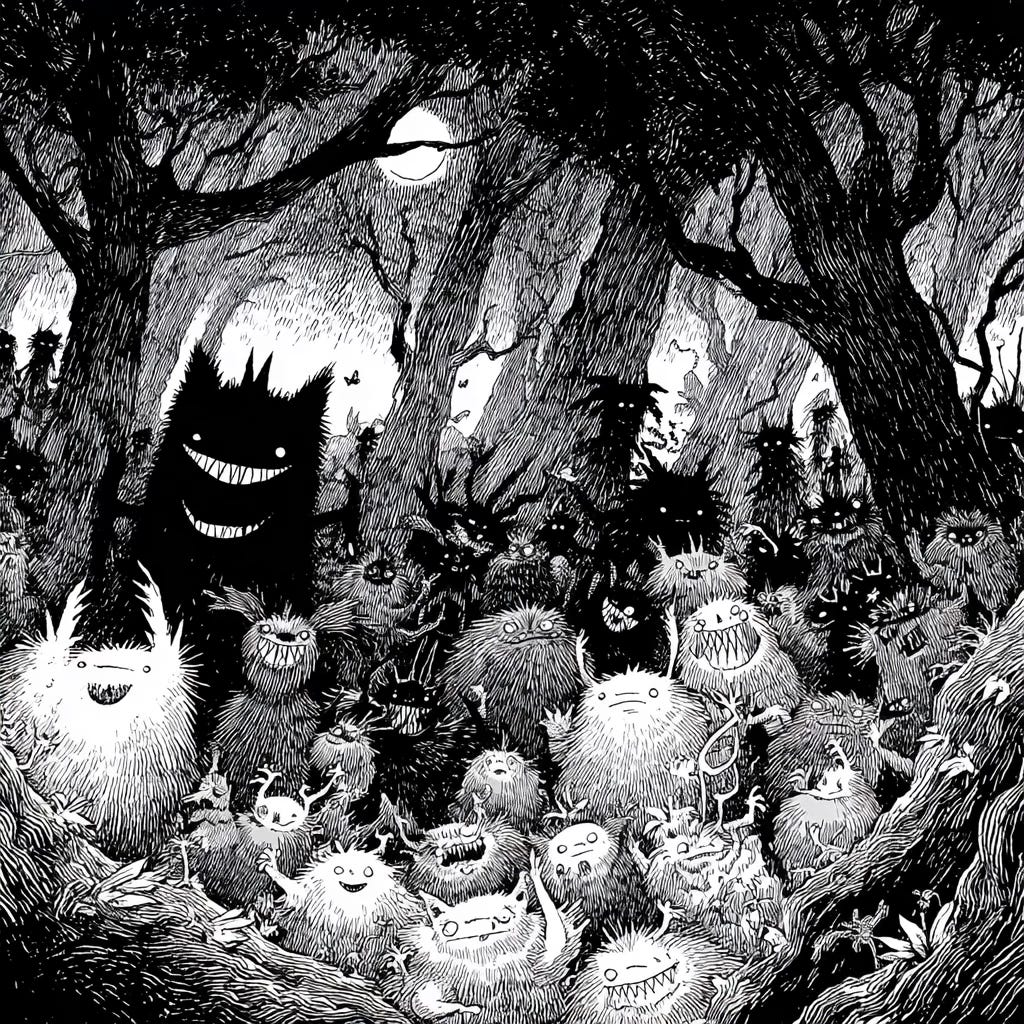
Where The Wild Things Are......
I think the real genius of children’s authors is their ability to take the complex and reduce it to its essence, not because children need simplicity - they can work it out for themselves - but because we do.
And given where we find ourselves this morning, anybody who can provide clarity is worth their weight in gold, and it took me to Maurice Sendak and his famous “Where the Wild Things Are”.
If you have children or grandchildren, or even if you were once a child yourself, you will probably be familiar with it:
The night Max wore his wolf suit, he made mischief of one kind and another and was sent to bed without his supper. Lying in the dark, his room began to change. A forest grew. A boat appeared, and he sailed away, in and out of weeks and almost over a year, to the place where the Wild Things are. They roared and gnashed and rolled their terrible eyes. Max stared them down without blinking, and they made him their king. He led the wild rumpus: howling, dancing, a moonlit riot that needed no words at all. Then, from somewhere far away, came the smell of good things to eat. He sailed home. His supper was waiting. Still hot.
There’s probably a good market in wolf suits right now. From executives performing with confidence they don’t quite feel, to the rest of us sensing the world change around us as we go further into the forest of technology growing at the edges of our comfort zones. The wild things are real enough; they roar and gnash and roll their terrible eyes, and there is no shortage of people willing to tell us exactly what they are and what to do about them, for a fee.
Sendak’s genius lies in three morals that arise from the story.
The journey is the point. The wild rumpus is not the destination. Max doesn’t stay in the forest, and the story doesn’t reward him for conquering it. What he returns with isn’t a trophy or a map or a crown. It’s the knowledge that he can stand in wild territory without being consumed by it, and the clarity, after the rumpus, about where home actually is.
Whatever jungle we find ourselves in, we have little choice other than to explore it rather than be told about it. The map is not the territory, and someone else’s map is of little use to us. We need our own.
The monsters were never the problem. The Wild Things are terrifying until Max looks at them directly. What keeps most people from the forest isn’t the monsters; it’s the anticipation of the monsters, the second-hand accounts, the warnings from people who never sailed. The creatures who roared and gnashed were the same creatures who cried, “We’ll eat you up, we love you so.”
Fear and love wear the same face, and you only find that out by going. When we’re dealing with the unknown, we can’t make a map other than by going there. That requires the company of people we trust and a willingness to encounter what is actually there, rather than what we imagine or have been told is there.
Beware the king who never came home. Max was offered everything: adoration, kingship, the rumpus without end. The Wild Things begged him to stay, and some people, finding themselves suddenly king of something wild and new, accept that offer; they build a kingdom in the forest and charge for visiting, but Sendak’s story is clear about what that costs. The supper goes cold. The room stays a jungle, and the person who might have returned, changed, grounded, genuinely useful, is still out there somewhere, leading a rumpus for an audience that mostly just wants to watch.
I suspect your inbox, like mine, is full of messages from people declaring themselves king of something wild that they think loves them, but will probably eat them.
Kipling knew this pattern. In “The Man Who Would Be King”, two rogues march into unmapped territory armed with rifles, nerve, and a code of conduct they swear to uphold. They conquer, and they build something real. Then one of them starts believing his own story. He accepts the crown, breaks the contract, and forgets he is mortal. He has convinced an entire people that he is a god, and so when he takes a local bride, she panics at the wedding and bites him. The bite draws blood.
Gods don’t bleed.
In that single moment, the fiction collapses, the kingdom falls, and the bridge ropes are cut. The lesson isn’t that the venture was foolish. It’s the moment you stop being able to distinguish between what you built and what you became; you are already standing over the gorge.
Hubris has a way of meeting reality. It doesn’t much matter whether it’s a technology valued beyond all reason or a set of beliefs held with sufficient conviction that evidence stops being relevant. Reality bites. It always does.
The forest is real, and the wild things in it are real, and some of them are extraordinary. The question isn’t whether to sail. It’s whether you remember, in the middle of the rumpus, that there is a home to return to and a supper waiting. Still hot. Still yours.
If you’re interested in creating your own map, make a trip over to The Athanor, where a group of us are creating our own….


